PEM Proton Exchange Membrane
Core Materials for High-Performance, Low-Permeability Vanadium Redox Flow Battery Energy Storage Systems
High conductivity • Low crossover • Long operational lifetime
Comprehensively addressing the key bottlenecks in the efficiency and reliability of flow batteries
Building the next generation of highly stable core membrane materials for vanadium redox flow batteries
Core Materials for High-Efficiency Energy Storage in Flow Batteries
Niord® Vanadium Redox Flow Battery Proton Exchange Membrane
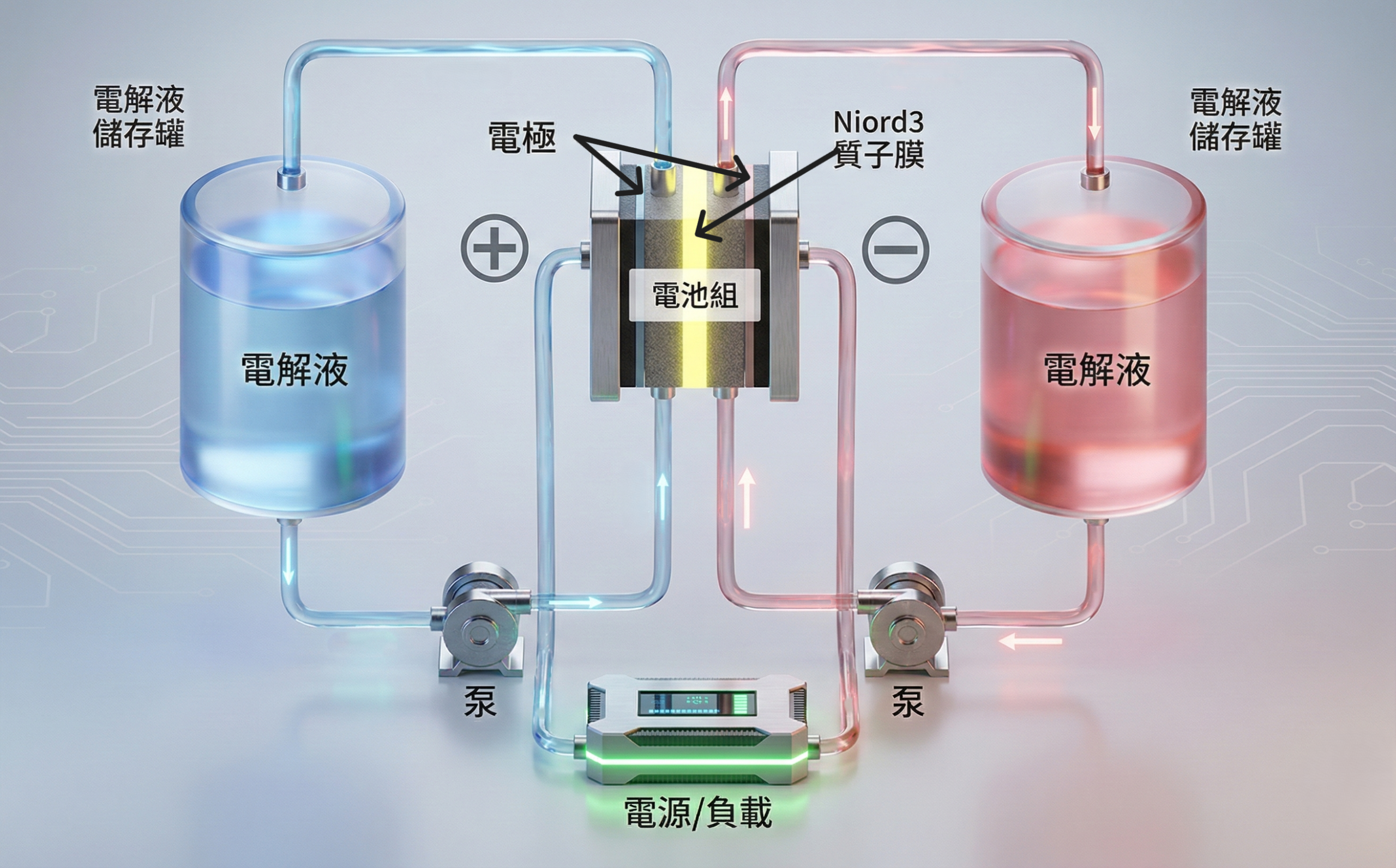
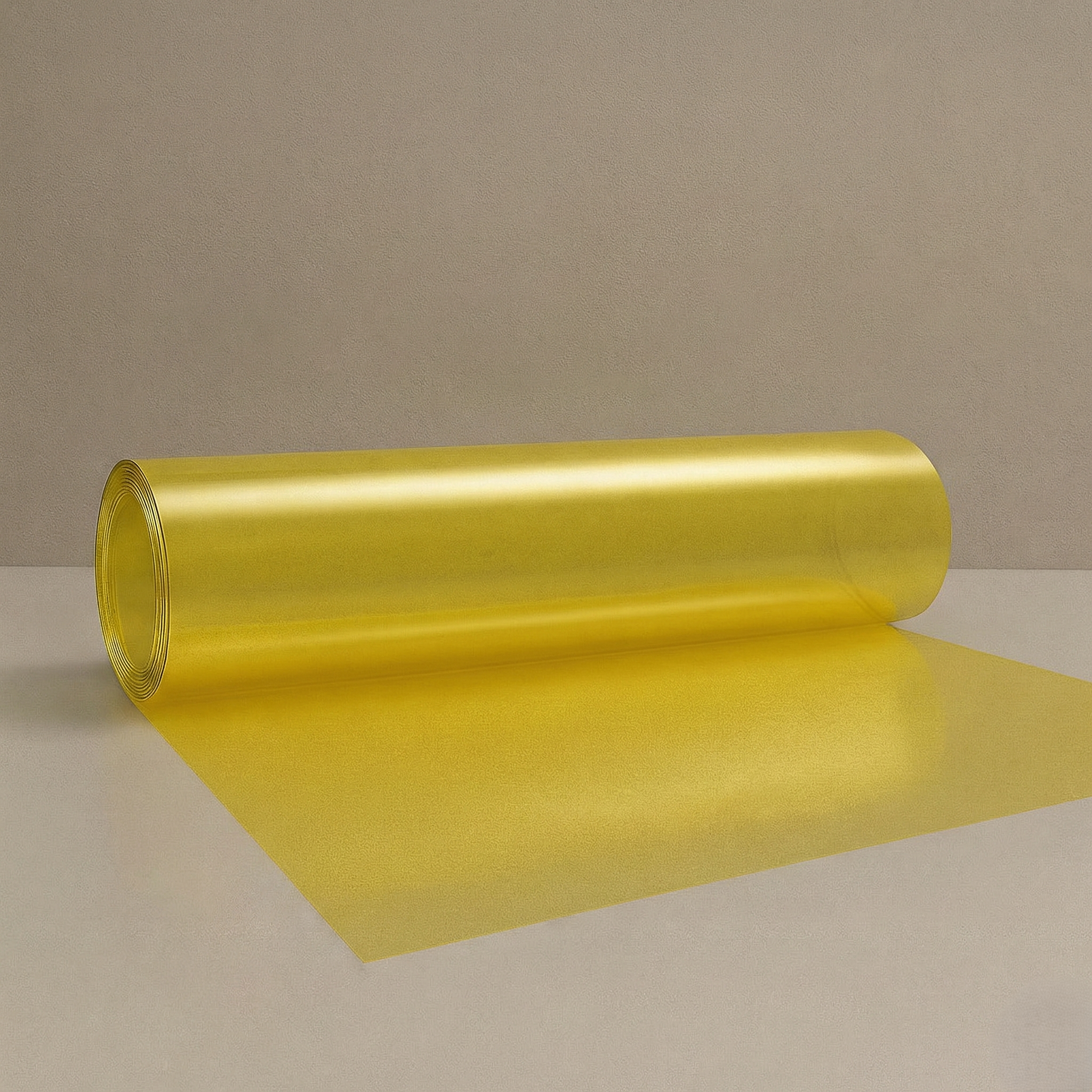
The Microcosm PEM Proton Exchange Membrane is specifically designed for vanadium redox flow batteries (VFBs). It combines ultra-low metal ion permeability, excellent proton conductivity, and outstanding thermal stability, significantly reducing the loss of active materials while greatly improving battery efficiency and cycle life.
Experimental validations demonstrate that Niord® maintains high Coulombic efficiency (CE) and energy efficiency (EE) even under low current density operating conditions. Its performance clearly surpasses that of conventional proton exchange membranes, making it an ideal solution for long-lifetime, low-maintenance flow battery energy storage systems.

Common Challenges and Limitations
In vanadium redox flow batteries, the membrane is a critical component that directly affects efficiency, lifespan, and overall operation and maintenance costs.
If the membrane exhibits high permeability, it can lead to crossover of active materials between the positive and negative electrolytes, resulting in rapid efficiency degradation and increased system costs. The following are some of the most common challenges encountered:
- High metal ion crossover → Loss of active materials and efficiency degradation
- Unstable efficiency at low current densities → Limited energy conversion efficiency of the storage system
- Insufficient thermal stability of the membrane → Reduced lifespan under high-temperature conditions
- Poor chemical resistance → Frequent membrane replacement and increased operation & maintenance costs
PEM Proton Exchange Membrane provides a comprehensive solution to address the challenges mentioned above.
Product Advantages
Product Type:Niord 3
| Technical Features | Product Values |
|---|---|
| Low metal ion permeability | Minimizes active material loss, maintaining efficiency longer and extending cycle life |
| Low redox ion cross-contamination | Significantly improves Coulombic Efficiency (CE) for long-term stable operation |
| High proton conductivity | Reduces internal resistance and enhances Energy Efficiency (EE) |
| Excellent thermal stability | Reliable performance in high-temperature and high-load energy storage environments |
| High mechanical strength | Resistant to rupture, ideal for large stacks and long-term operation |
| High CE/EE at low current density (experimentally verified) | Especially suitable for low-power, long-duration charge/ discharge energy storage applications |
Why Choose Us?
See the Product Comparison
| Performance Metric | Microcosm PEM Proton Exchange Membrane |
|---|---|
| Thickness | 20μm |
| Tensile Strength (MPa) | 84.85 |
| Elongation (%) | 12.3% |
| Coulombic Efficiency (%) | >96% |
| Voltage Efficiency (%) | >94% |
| Energy Efficiency(%) | >91% |
| Vanadium Ion Permeability (cm2min-1) | 0.57×10⁻⁸ |
| Tg (℃) | >260 |
The Optimal Solution
Niord3 outperforms conventional membrane materials in three key performance indicators—permeability, stability, and efficiency. It is particularly well-suited for flow battery energy storage systems that demand long service life, high efficiency, and low maintenance costs.
Product Application Structure
- Schematic Diagram of Niord 3 in a Vanadium Redox Flow Battery